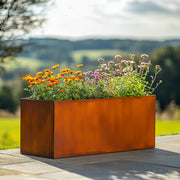
Terracotta planters are a popular choice for gardeners thanks to their natural clay composition and breathable design. They help regulate moisture and airflow, promoting healthier roots while preventing overwatering. Their warm, earthy look makes them perfect for both indoor and...
Terracotta planters are a popular choice for gardeners thanks to their natural clay composition and breathable design. They help regulate moisture and airflow, promoting healthier roots while preventing overwatering. Their warm, earthy look makes them perfect for both indoor and outdoor plants.
Durable and eco-friendly, terracotta pots also help maintain stable soil temperatures. Ideal for herbs, succulents, and flowers, they offer a low-maintenance and stylish solution for any garden or home.